

Understanding the Properties of Carbide Materials
- Dec 3, 2025
- 3 min read
When you work with tough materials like wood, plastics, or non-ferrous metals, you need tools that can keep up. That’s where carbide materials come in. They’re known for their strength and durability, making them a favorite in many industries. But what exactly makes these materials so special? Let’s dive into the world of carbide and explore its properties, types, and why it might be the perfect fit for your next project.
Exploring Carbide Material Properties
Carbide materials are unique because they combine hardness with toughness. This means they can resist wear and tear while still handling impact without breaking. Here are some key properties that make carbide stand out:
Hardness: Carbide is incredibly hard, often ranking just below diamonds on the hardness scale. This allows it to cut through tough materials without dulling quickly.
Wear Resistance: Because of its hardness, carbide resists abrasion and maintains its sharp edge longer than many other materials.
Heat Resistance: Carbide can withstand high temperatures without losing strength, which is crucial when cutting or shaping materials that generate heat.
Toughness: Despite being hard, carbide is also tough enough to resist chipping or cracking under stress.
Chemical Stability: It doesn’t react easily with other chemicals, which helps it last longer in harsh environments.
These properties make carbide materials ideal for saw blades, cutting tools, and other industrial applications where precision and durability are essential.

What are the three types of carbides?
Carbides come in different forms, each with its own characteristics and uses. The three main types are:
Cemented Carbides
These are made by combining carbide particles with a metal binder, usually cobalt. Cemented carbides are tough and wear-resistant, making them perfect for cutting tools and industrial machinery parts.
Chemical Carbides
These carbides form through chemical reactions and are often used in specialized applications like electronics or coatings. They tend to be very hard but less tough than cemented carbides.
Interstitial Carbides
These form when carbon atoms fit into the spaces between metal atoms in a crystal structure. They have unique properties that make them useful in high-temperature environments.
Understanding these types helps you choose the right carbide for your specific needs, whether you’re crafting precision tools or heavy-duty industrial parts.
How Carbide Materials Benefit Your Work
Using carbide materials can make a big difference in your projects. Here’s how:
Longer Tool Life: Carbide tools stay sharp longer, so you spend less time replacing or sharpening them.
Better Precision: The hardness of carbide allows for cleaner cuts and finer details.
Increased Efficiency: Tools made from carbide can work faster and handle tougher materials without slowing down.
Cost Savings: Although carbide tools might cost more upfront, their durability means fewer replacements and less downtime.
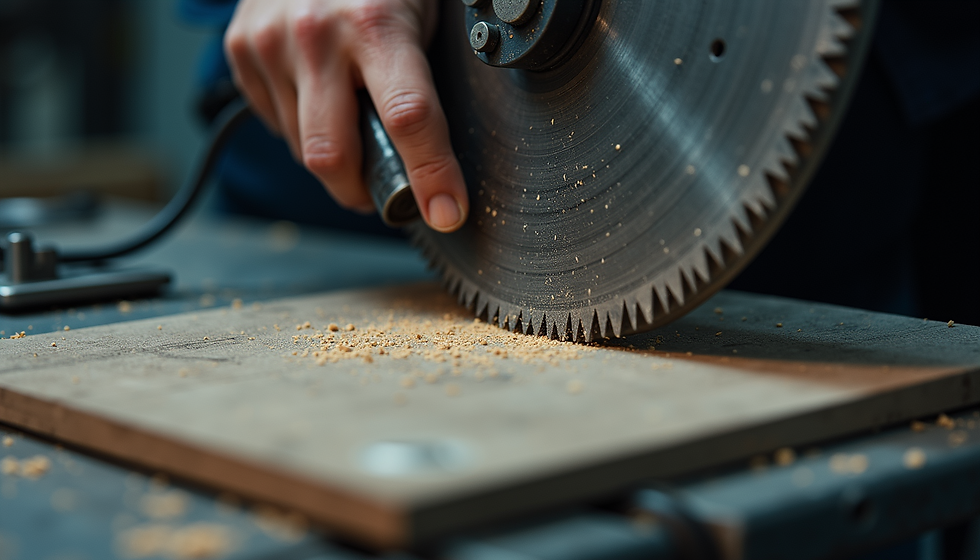
For example, if you’re working with hardwood or dense plastics, a carbide-tipped saw blade will cut through smoothly without chipping or dulling quickly. This saves you time and frustration.

Tips for Choosing and Using Carbide Tools
To get the most out of carbide tools, keep these tips in mind:
Match the Tool to the Material: Different carbides work better with certain materials. For instance, cemented carbides are great for wood and plastics, while chemical carbides might be better for specialized metalwork.
Maintain Proper Speeds and Feeds: Carbide tools can handle high speeds, but using the right feed rate prevents overheating and extends tool life.
Use Sharp Tools: Even though carbide stays sharp longer, dull tools can cause poor cuts and damage your workpiece.
Consider Custom Solutions: If you have unique needs, companies like Mid-States Carbide offer custom manufacturing and sharpening services to tailor carbide tools to your exact specifications.
By following these guidelines, you’ll ensure your carbide tools perform at their best and last as long as possible.
Why Mid-States Carbide is a Trusted Partner
When it comes to carbide tooling, having a reliable supplier makes all the difference. Mid-States Carbide specializes in custom manufacturing, sales, and sharpening services for carbide saw blades and tooling. They understand the demands of woodworking, plastics, and non-ferrous industries and provide solutions that keep your operations running smoothly.
Their expertise means you get tools designed for your specific applications, backed by quality and service you can trust. Whether you’re a hobbyist or a commercial manufacturer, partnering with a company like Mid-States Carbide ensures you have access to the best carbide materials and support.
Carbide materials offer a powerful combination of hardness, toughness, and heat resistance that can elevate your work. By understanding their properties and types, you can choose the right tools and techniques to get the job done efficiently and precisely. With the right care and the right partner, carbide tools will be a valuable asset in your workshop for years to come.


Comments